
What looks like stubborn grime on your stonework is often active damage. The green film on a patio is typically living algae feeding on the stone, and that chalky white powder is a chemical reaction occurring on the surface. This is why reaching for the wrong cleaner can cause permanent dull spots or streaks, turning a quick job into a costly mistake.
Effective stone maintenance isn’t about scrubbing harder—it’s about understanding the material to restore its integrity. The most critical first step is identifying your stone’s family. From there, you can use the right method to stop the damage and bring back its original, beautiful character.
First, Know Your Stone: The Two Families That Determine Everything
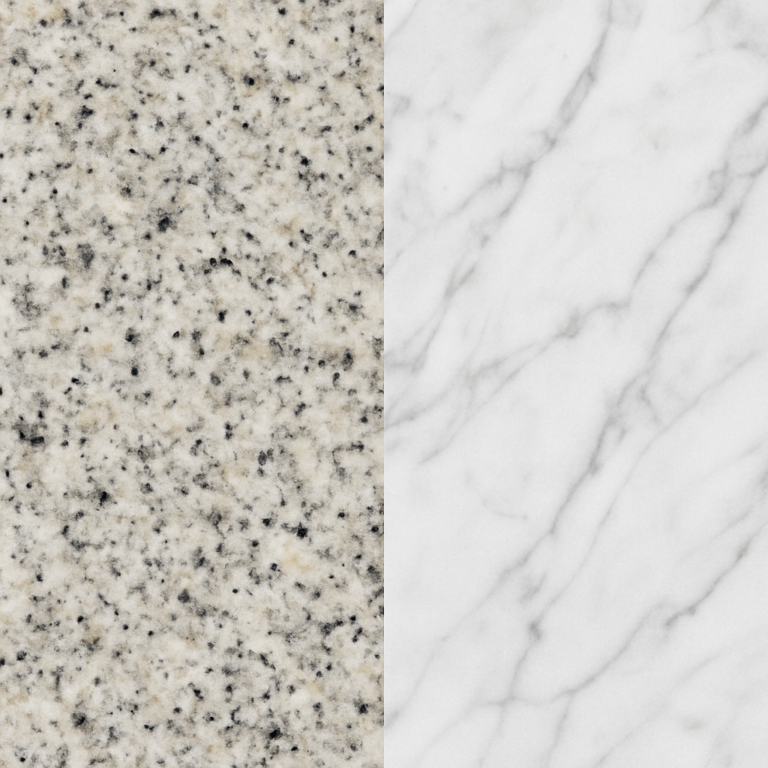
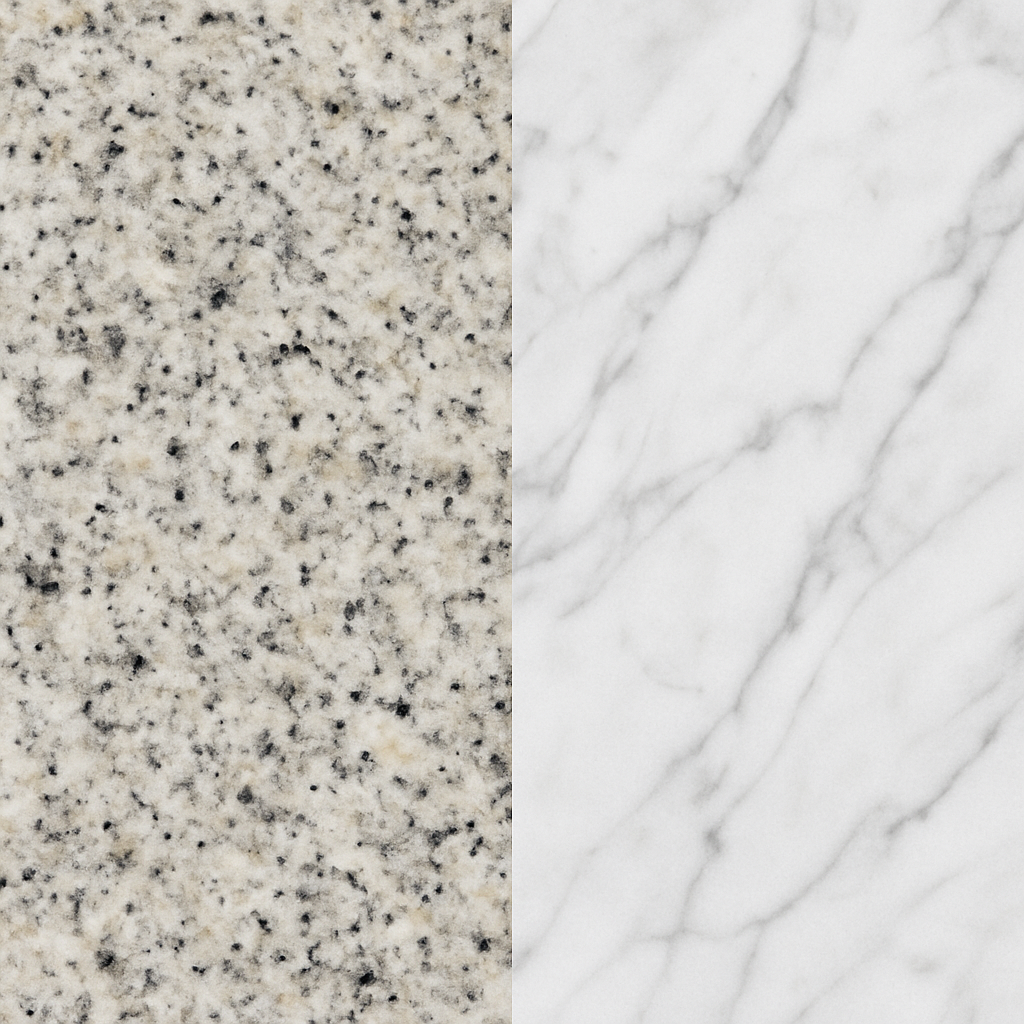
Nearly all natural stone falls into one of two categories, and the difference is everything. A quick visual check can often tell you which you have: granite typically has a speckled, granular look, while marble is known for its smooth, wavy veins.
- The ‘Hardy’ Family (Siliceous): Granite, Slate, Sandstone, and Bluestone. Built on silica, this group is tough and generally resistant to acidic substances.
- The ‘Sensitive’ Family (Calcareous): Marble, Limestone, and Travertine. Built on calcium, this group is very sensitive to acids.
So, what happens if you try to clean a “sensitive” marble worktop with an acidic cleaner like vinegar? The acid literally dissolves a tiny layer of the stone’s surface, creating a dull, etched mark called a “ghost stain.” Because this is physical damage—not a stain you can wipe up—knowing your stone is the most critical first step. Luckily, there’s a universal method that’s safe for both families.
The Universal “Do No Harm” Method for Any Stone Surface
The golden rule for cleaning any stone is to use a pH-neutral cleaner. Think of cleaners on a scale from acidic (like lemon juice) on one end to alkaline (like bleach) on the other. A pH-neutral cleaner sits right in the balanced middle, making it as gentle as simple soap and 100% safe for any stone.
To put this method into action, mix a few drops of a dedicated stone soap—or even a mild, dye-free washing-up liquid—into a bucket of warm water. Using a soft cloth or sponge, gently wash the surface to lift away everyday dirt and grime. There’s no need for aggressive scrubbing or abrasive pads, which can leave micro-scratches, especially on polished surfaces.
Finally, the most overlooked step is often the most important: rinsing thoroughly with clean water and then drying the surface completely with a soft, absorbent cloth. This crucial finish prevents soap scum from dulling the finish and stops new water marks from forming, which is key for maintaining the beauty of polished marble or dark slate.
How to Safely Remove Green and Black Gunk From Outdoor Stone
That gentle soap-and-water method is perfect for routine cleaning, but it often won’t budge the slippery green film or ugly black spots common on outdoor stone. This isn’t just dirt; it’s biological growth, typically algae and mould. To effectively remove it, you need a solution that can safely kill the organisms without harming the stone.
Instead of using harsh chemicals, turn to a much safer alternative: a 50/50 mix of household hydrogen peroxide and water. Spray this solution generously onto the affected areas and let it sit for 10 to 15 minutes—this “dwell time” is crucial for it to work. Then, scrub the area with a stiff nylon bristle brush (never wire!) to dislodge the dead growth. Finally, rinse thoroughly with plain water.
This method is fantastic for durable surfaces like sandstone, bluestone, or granite patios, and can often help restore faded sandstone colour by lifting the grime. But while this technique is perfect for surface growth, it won’t pull out a stain that has soaked deep into the stone’s pores.
The DIY ‘Face Mask’ for Lifting Deep Oil and Wine Stains
Some stains don’t just sit on the surface; they soak in. This happens because many types of stone have tiny pores that act like a sponge, absorbing liquids like oil, wine, or coffee. To tackle these deep-set disasters, you can’t just scrub them away. Instead, you need to pull the stain out from within using a special paste called a poultice—think of it as a clarifying face mask for your stonework.
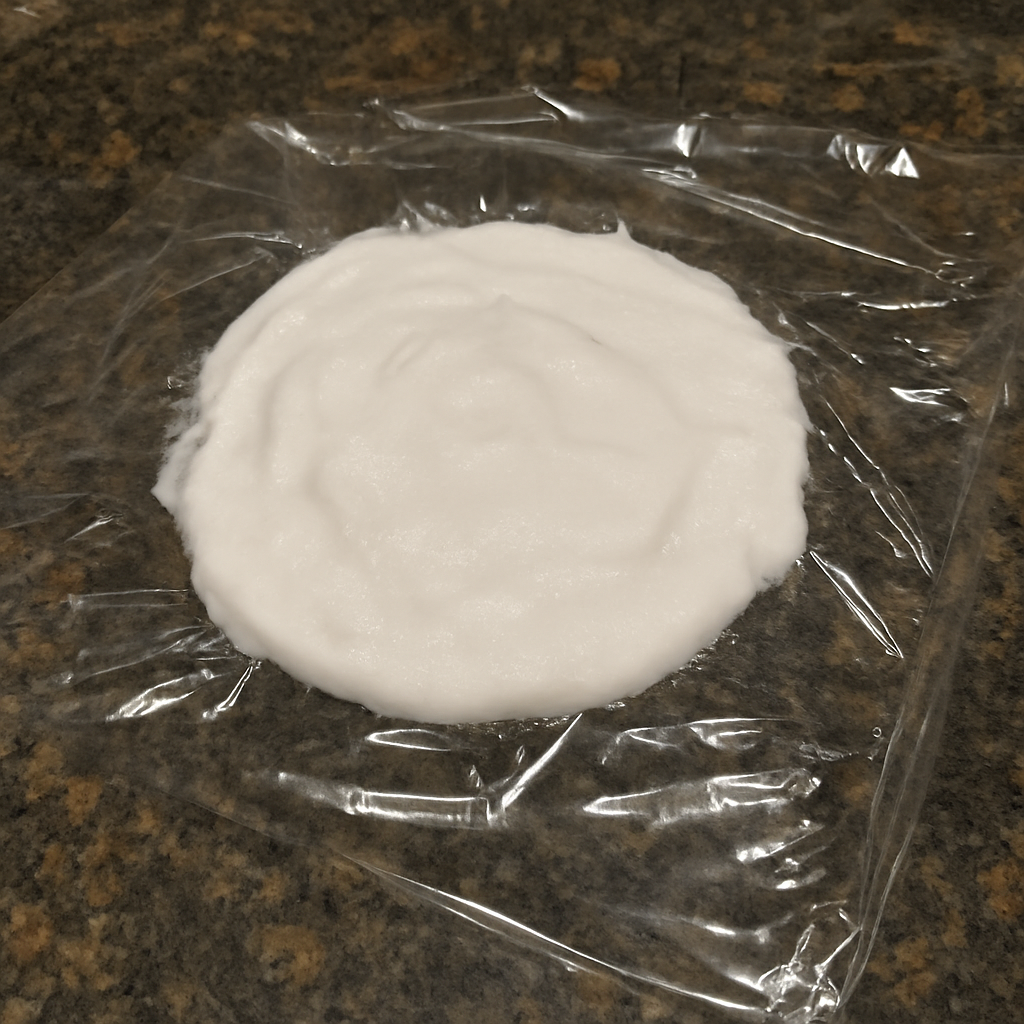
Creating a DIY poultice is surprisingly simple. Just mix bicarbonate of soda with a small amount of water until it forms a thick paste with the consistency of peanut butter. Generously apply the paste directly onto the stain, extending it about an inch beyond the edges. To keep it moist and active, cover the area securely with cling film and tape down the sides.
Now for the magic: leave the poultice completely alone for 24 to 48 hours. As the paste slowly dries, it will draw the oil or other staining agents up out of the stone’s pores. Once it’s bone dry, use a plastic scraper to remove the hardened paste and wipe the area clean with a damp cloth.
Pressure Washing vs. Soft Washing: A Warning Before You Spray
When facing a large, grimy patio, the idea of using a pressure washer is tempting. But that high-pressure jet of water can be destructive, especially for sensitive stones like limestone or bluestone. It can blast away the surface, causing permanent flaking or chipping and forcing water deep into the stone’s pores, which leads to more problems down the road.
The smarter, professional-grade approach is soft washing. This method uses low, garden-hose-like pressure combined with specialised, stone-safe cleaners that do the heavy lifting. In the pressure washing versus soft washing debate, soft washing cleans effectively without risking damage. It’s ideal for delicate jobs like removing efflorescence, gently lifting that chalky white powder without harming the paver itself.
If you must use a pressure washer on a very hardy stone like granite, use extreme caution: always select the widest fan tip (40 degrees or more) and stay at least a foot away from the surface. But no matter how you clean, sealing the stone afterwards is the crucial final step.
Lock In Your Hard Work: The Final Step to Easier Cleaning
Once your stone is clean and completely dry, the crucial final step is to protect it. An unsealed or worn-out seal leaves the stone porous and vulnerable to new stains. To check if it needs sealing, perform a simple water drop test: place a few drops of water on the surface and wait a few minutes. If the water beads up, the seal is intact. If it soaks in and darkens the stone, it’s time to reseal.
Applying a quality stone sealer acts like a protective raincoat, preventing liquids from penetrating the pores. This single step is the key to easier future cleaning and is essential for preserving the beauty of any natural stone, from a polished marble worktop to a rustic sandstone patio.